


How to calculate freight class and density
Freight class in less-than-truckload shipping is based on density, handling, stowability, and liability. To calculate density, divide your shipments weight by its volume in cubic feet, then use the NMFC system to find your class. Using our free freight class calculator makes it easy to get accurate results instantly, avoid reclassification fees, and secure the best rate. Here's what you'll find on this page
13 tier freight class density chart
New freight classification standards went into effect on July 19, 2025. Master the 2025 NMFC changes with strategic freight solutions with resources from C.H. Robinson.
Use this freight density chart to quickly match your shipment’s density to its NMFC freight class.
| Freight Density (in lbs per cubic foot) | Freight Class |
|---|---|
| Less than 1 | 400 |
| 1 but less than 2 | 300 |
| 2 but less than 4 | 250 |
| 4 but less than 6 | 175 |
| 6 but less than 8 | 125 |
| 8 but less than 10 | 100 |
| 10 but less than 12 | 92.5 |
| 12 but less than 15 | 85 |
| 15 but less than 22.5 | 70 |
| 22.5 but less than 30 | 65 |
| 30 but less than 35 | 60 |
| 35 but less than 50 | 55 |
| Over 50 | 50 |
How to calculate freight density
If you have several different shipments, use the freight density calculation for each individual piece. Add the cubic inch measurements for the pieces together to get the grand total, then convert to cubic feet for a grand total before dividing by weight.
Remember: This is a simplified method, and actual shipping costs may also consider factors like distance, handling, and insurance. Calculate freight density and freight class without the manual math by using our free online quoting tool.

Measure
Measure the total cubic inches of your shipment (length x width x height)

Convert
Convert that total to cubic feet (divide by 1,728 for quick conversion)

Weigh
Determine the weight of the shipment in pounds

Calculate
Divide the total weight by total cubic feet of the shipment to get the lbs/ cubic ft (as shown in the reference chart above)
Skip the math—we'll automate your freight classification
No need to memorize all the different freight classes—our guided online quoting tool will calculate your freight class based on the weight and dimensions you provide. We make your shipping experience as easy as possible.
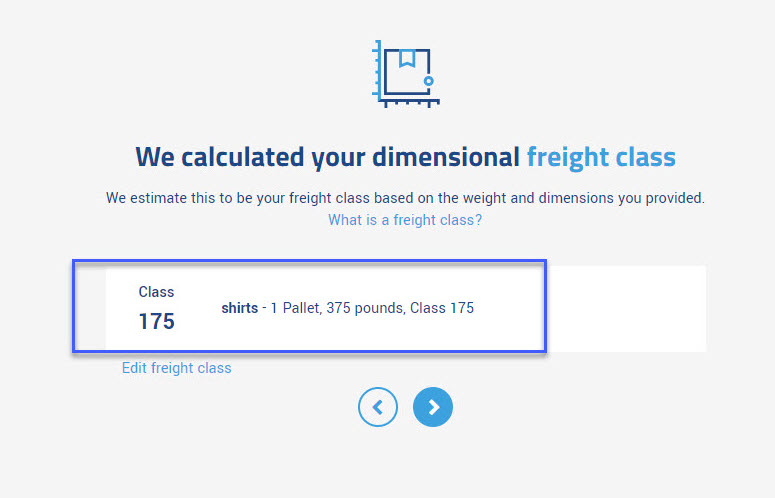
How freight class is calculated
The NMFC system standardizes how commodities are classified and is based on four main factors:
- 1. Density (most important): Both the space the items take up in the trailer and the weight of the item factors into the density calculation.
- 2. Stowability (important): Items that are more difficult to store will be given a higher freight class. This includes shipments that might be hazardous or very heavy.
- 3. Handling (important): Any freight that requires special handling could be assigned a higher class.
- 4. Liability (less important): Perishable freight or freight that could be easily damaged will be designated a higher freight class.
Remember, the NMFC codes are regularly updated, and specific commodities are assigned class numbers based on industry standards and regulations.
Next steps after determining freight class
Now that you know your freight class, you’re just a few clicks away from locking in your rate and getting your shipment on the road.
Book your shipment
Enter your freight details to instantly choose your preferred carrier, schedule your pickup, and print your shipping label.
Prepare your shipment
Make sure your freight is packaged to match your class to avoid reclassification fees.
Track & confirm delivery
Follow your shipment in real time and confirm costs match your quoted rate once delivered.

Freight class: Everything you need to know
Learn how to simplify NMFC freight classes with dimensional ratings.
Read the blog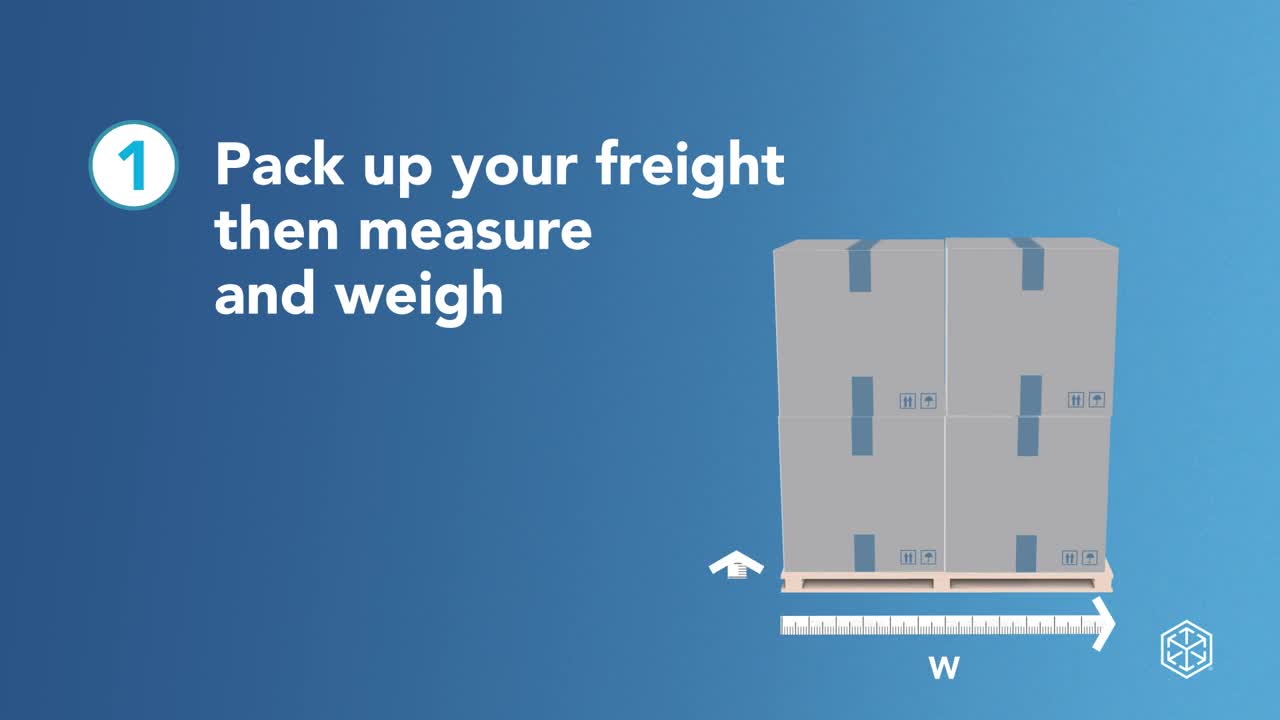
Get an Accurate Quote
Discover tips to getting accurate quotes every time. Hint: You can avoid unnecessary costs by providing precise shipment details—not estimates.
See how
Ship car parts with precision
Choose the right shipping method for automotive parts. Consider packaging, handling, and insurance needs based on the product type.
Get auto shipping tipsFreight class FAQ
- What is freight class in LTL shipping?
-
Freight class is a standardized way carriers categorize shipments in less-than-truckload (LTL) shipping. It helps determine how a shipment should be priced and handled.
The system is created by the National Motor Freight Traffic Association (NMFTA) and assigns classes ranging from 50 to 500. Lower classes usually represent dense, easy-to-handle freight, while higher classes are lighter, bulkier, or more fragile.
Freight class gives carriers and shippers a common framework for estimating cost and planning how freight will move through a network.
- Why does freight class matter when I’m getting a shipping quote?
-
Freight class helps carriers estimate how much space your shipment will take up and how difficult it may be to transport.
Those factors affect the final shipping price. When the class is accurate, carriers can provide more reliable quotes and avoid billing corrections later.
- What’s the difference between class 50 freight and class 70 freight?
-
The difference mainly comes down to density and how efficiently the shipment fits in a trailer.
Class 50 freight is typically very dense and compact, such as machinery or metal parts. Because it uses trailer space efficiently, it usually ships at a lower cost.
Class 70 freight is lighter for its size—common examples include packaged food products or certain automotive parts. These shipments take up more space relative to their weight, which can make them slightly more expensive to ship.
- How does shipment density affect the price of LTL freight ?
-
Density measures how heavy a shipment is compared to the space it occupies. In most cases, denser shipments cost less to ship.
That’s because dense freight allows carriers to use trailer space more efficiently. Lighter or bulkier freight may require more space, which often results in a higher class and higher price.
You can estimate density by dividing the shipment’s weight by its cubic feet, or by using a freight density calculator to do the math automatically.
- What happens if my freight class is wrong?
-
If the class listed on your shipment doesn’t match what the carrier finds during inspection, the shipment may be reclassified. When that happens, the carrier may adjust the shipping charge and apply a reclassification fee. This usually occurs when dimensions, weight, or packaging details were estimated incorrectly.
To avoid surprises, measure your shipment carefully and use tools like the automated freight class calculator within Freightquote's online booking tool or work with freight shipping experts who can help confirm the correct classification.
- What’s the best way to figure out the weight of a shipment?
-
The most accurate way to determine shipment weight is to place the pallet or packaged freight on a shipping scale before pickup.
If you don’t have access to a scale, you can estimate the weight by adding together the weight of individual cartons or by referencing product specifications from the manufacturer.
Accurate weight is important because it helps prevent billing adjustments after the carrier inspects the shipment.
Check out the video below for practical ways to measure freight weight without a dedicated shipping scale.